WOW HERITAGE CENTERWhat Once Was · An E4 Youth Initiative

T’eyah

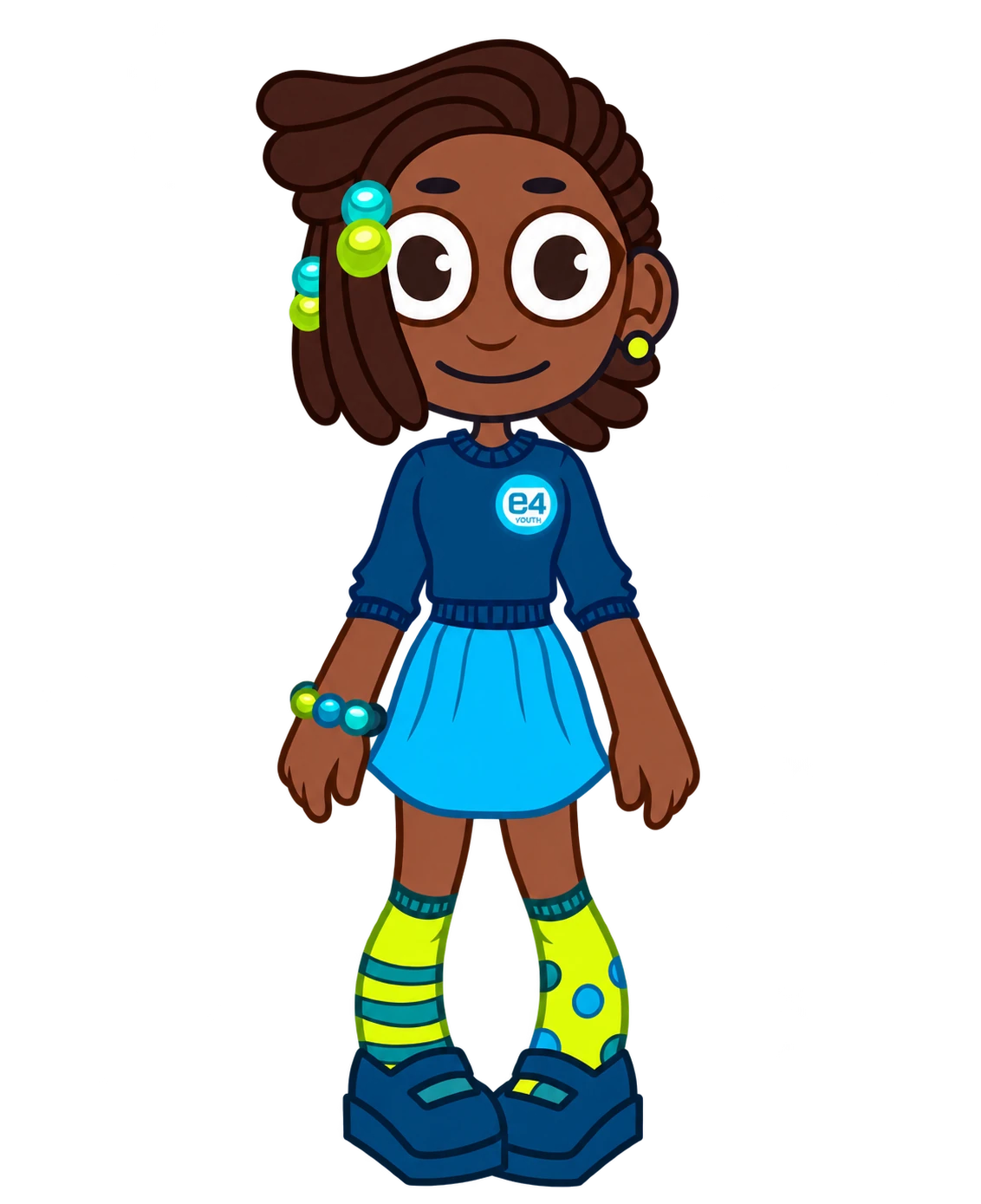
T’eyah, a young storyteller from Rosewood, wearing her blue E4 Youth sweater and skirt
From Rosewood · Curious storyteller · Community guide

WOW Heritage Center · An E4 Youth Initiative

Every community has a story. Let's explore yours.

T’eyah is a young storyteller from Rosewood. She follows the people, places, and voices that shape East Austin and invites others to explore their own stories.

About T’eyah

Her story starts in Rosewood.

T’eyah comes from Rosewood, and family is part of her story. The people around her help ground her curiosity about place, memory, and belonging.

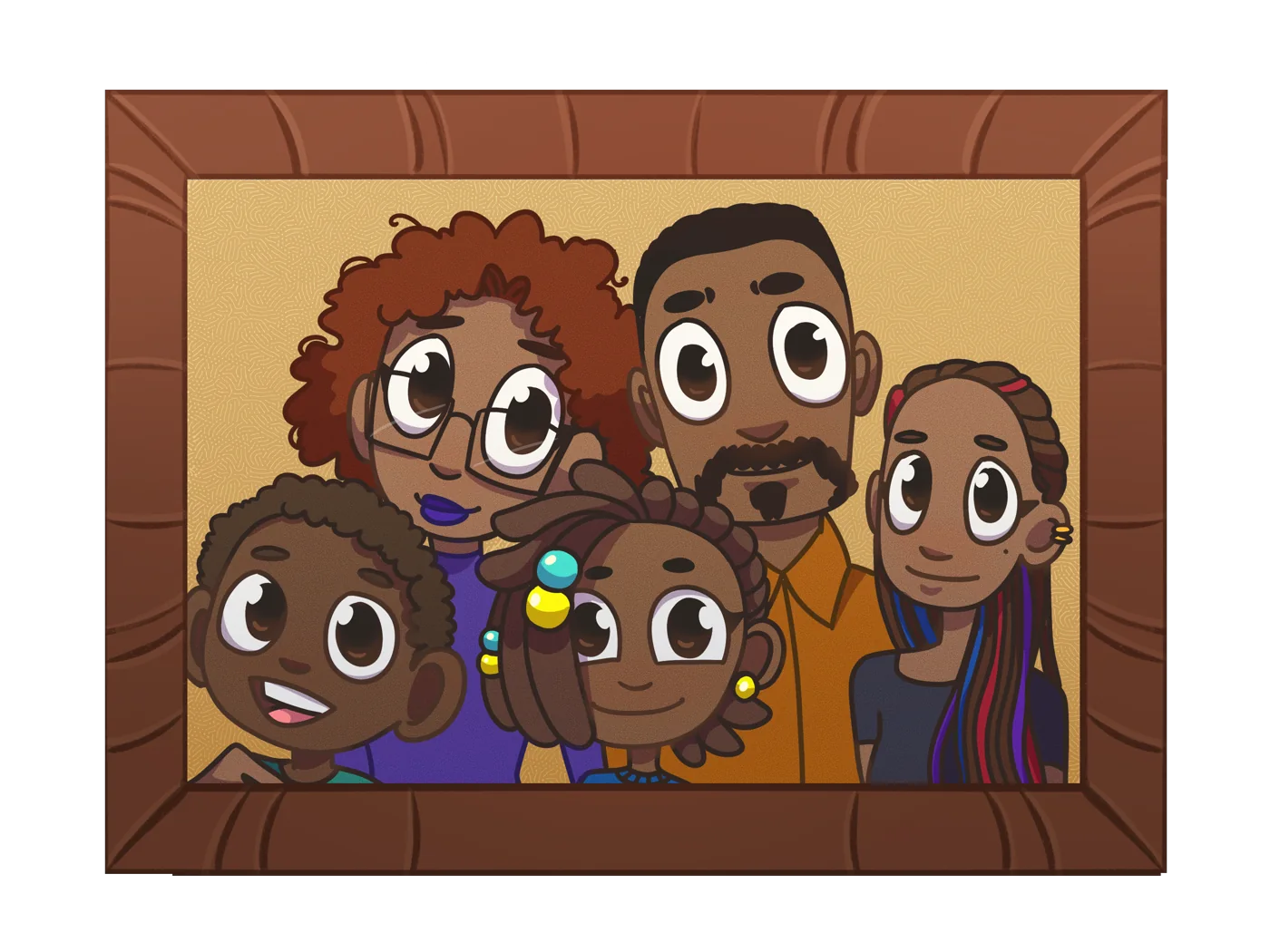
T’eyah, centered in front, pictured with her family
T’eyah is pictured in the center front with her family.
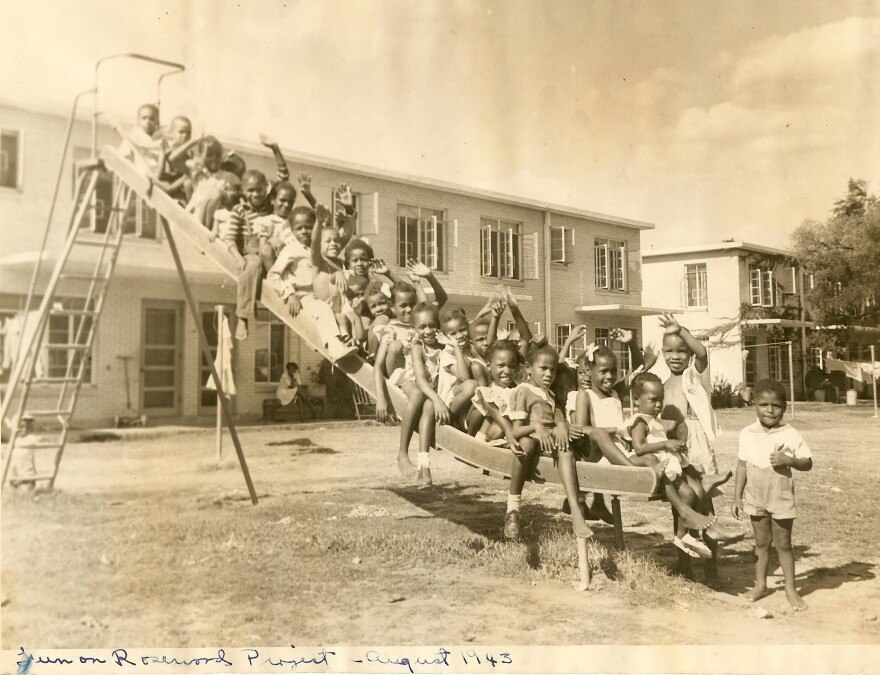
Children and families gathered at Rosewood Courts in East Austin in 1943

Rosewood, We're Listening

What should future generations know?

What do you remember about Rosewood? What should future generations know? T’eyah invites you to share a memory, perspective, or idea.

This link opens WOW’s Rosewood participation questionnaire. It is not the event RSVP form.

Explore stories with T’eyah

Local history, made to explore.

These story experiences connect young people and families with the people and places that shape East Austin.

Story 01

The Gold Dollar

T’eyah explores local Black journalism and its place in Austin’s history.

English captions are available from the player's CC menu.

Read transcript

Hi, my name is T’eyah, and I live in Rosewood Courts on the East Side. So, I was at the Carver Library just looking around, and I found this book that really surprised me. It was about a newspaper called The Gold Dollar.

It started way back in 1876, just after the emancipation of Black people in America. Back then, reading and writing wasn’t just school stuff. That was how Black people stayed informed and free. And this newspaper helped them learn, share news, and stick together.

What’s really cool is that The Gold Dollar was the first Black-owned newspaper in Austin, the capital of Texas. Some people even say it was the first Black newspaper west of the Mississippi River. And get this: Between 1870 and 1900, there were 48 Black-owned newspapers in Texas, and this was one of them. And the building is still standing, like for real.

It’s the last building from Wheatville, which was a freedom colony where Black families lived in Central Austin. So when you see it, you’re not just looking at an old place. You’re looking at history that’s still right here with us.

Story 02

Blackland

T’eyah introduces the Blackland neighborhood and the people, places, and memories that carry its living history.

The video includes visible captions. A selectable English track is also available from the player's CC menu.

Read transcript

Hey, everybody! It’s me, T’eyah. You might remember me from Rosewood, where I live and learn how stories help us understand our community and ourselves. Today, I’m exploring another important part of East Austin: Blackland.

Blackland is special to me because some of my family comes from here. My grandmother’s friend, Ms. Johnnie Overton, lives there and always told me that Blackland wasn’t just a neighborhood. It was a place where families built homes, created traditions, attended church, started businesses, raised children, and fought to protect their community. Today, I’m your tour guide. And together, we’re going to explore the people, places, and stories that help shape Blackland.

Blackland is one of Austin’s historic African American neighborhoods, with Native beginnings predating settlers to the 1930s, when Black families created thriving communities throughout East Austin. People built homes here. Churches became gathering places. Neighbors looked after one another. Children walked to school together. Families celebrated birthdays, graduations, Juneteenth, and community traditions. For many residents, Blackland wasn’t just where they lived. It was where they belonged.

Hey! Did you know one of Blackland’s greatest champions was Katherine Poole? A teacher and community leader, she believed neighbors could shape their own future. When plans threatened to replace homes with university expansion, she organized residents to stand together. Working alongside neighbors like Bo McCarver and Charles Smith, she helped create the Blackland Community Development Corporation, which still builds and protects affordable housing today. Because of leaders like Katherine Poole, Blackland’s story is one of resilience, community, and the power of people working together.

It’s T’eyah, and even though I’m from Rosewood, I have family that comes from Blackland. And now I know that every story, every photograph, every memory, and every person helps tell the story of this community. Thanks for helping me learn. And thanks for helping keep Blackland’s story alive.

For educators, youth groups, and families

Bring Digital Storytelling to Your Classroom

Ask the WOW team about place-based storytelling workshops built around local history, creative practice, and youth voice. The team will confirm the right format, age range, and availability with you.

Ask About a Workshop

Organization-wide partnership pathways

Connect · Create · Invest

Choose the path that fits. These are invitations to participate, not required steps in a funnel.

01

Connect

Meet the community, explore WOW, and arrange a visit to the Heritage Center.

Plan a visit →

The story continues

What will we discover together?

Start with a Rosewood memory, explore a story, or bring a group into the next chapter of East Austin storytelling.